
Dry ice blocks
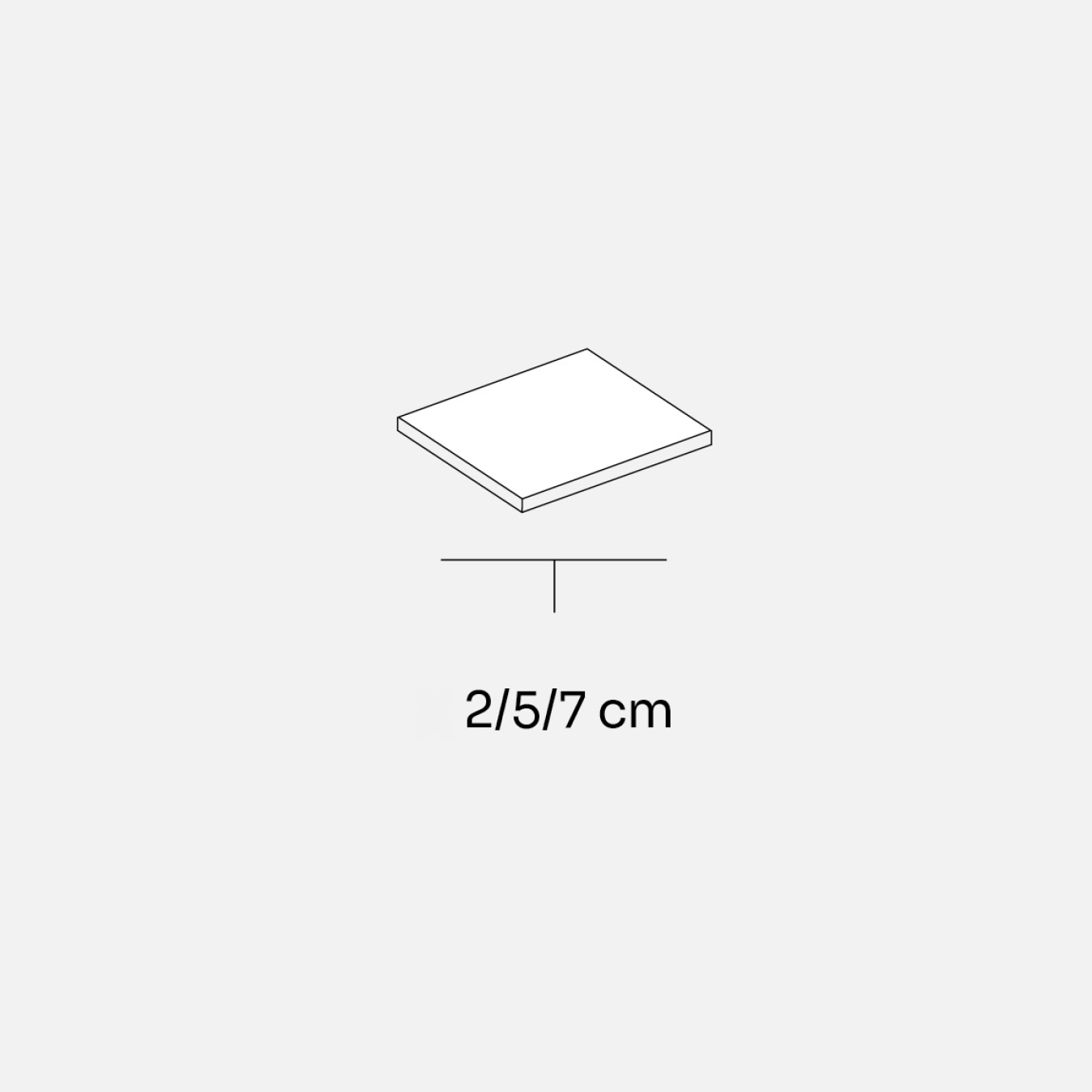
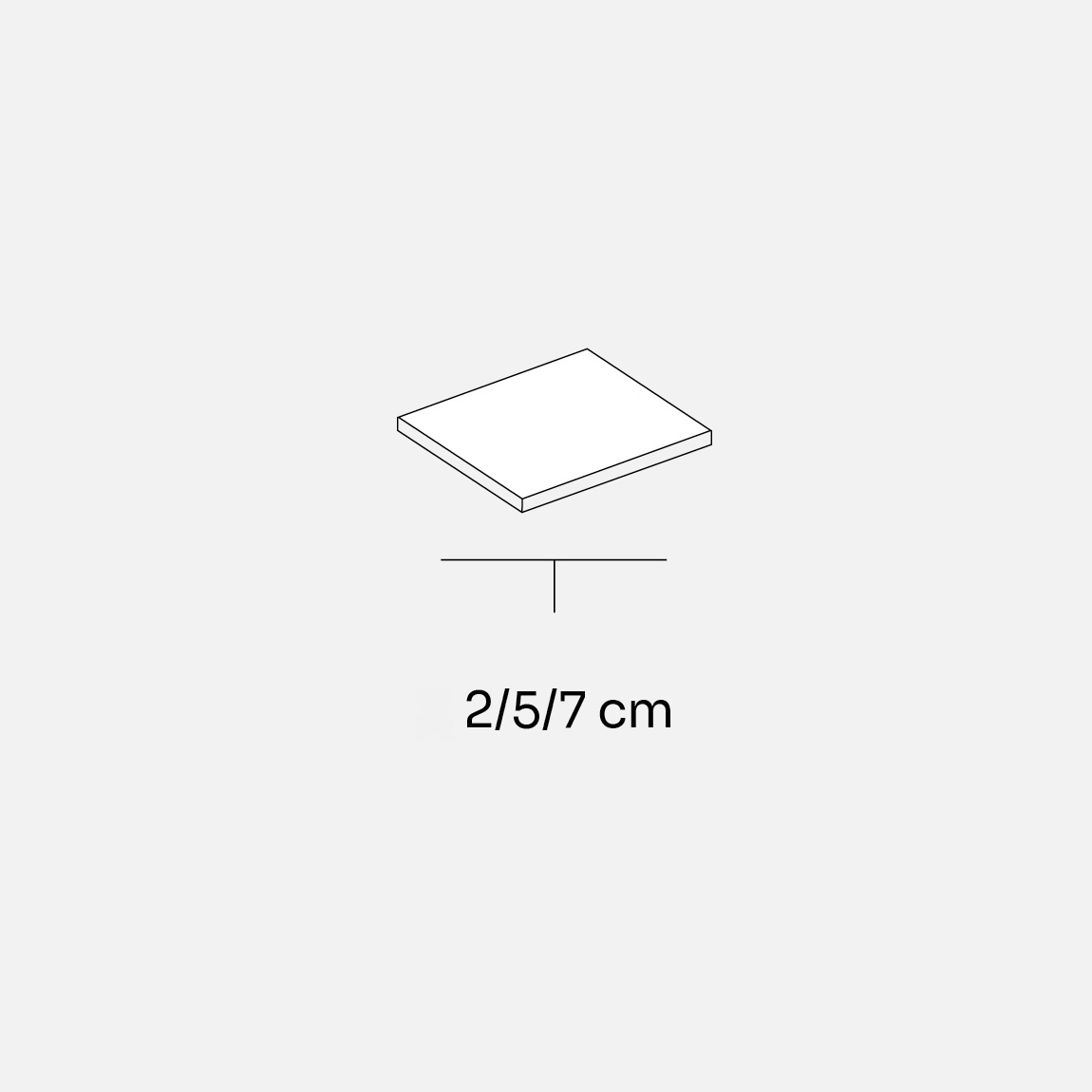
Blocks are not pellets, but solid plates pressed under extreme pressure. They are supplied as large plates (25x26 cm) with a specific thickness.
- 2 cm thickness: Often used for thin cooling packaging (e.g., in shipping boxes for medicines). Sublimates faster than thicker blocks.
- 5 cm thickness: The most common thickness. Highly stable, ideal for transport of 24–48 hours.
- 7 cm thickness: Considered a "heavy duty" block. Very slow sublimation process, excellent for long-term transport (48–72 hours) or large cold storage spaces.
1. The Danger of CO₂ (Suffocation)
This is the most underestimated risk. Dry ice is frozen CO₂. During sublimation, it turns into gas.
- CO₂ is heavier than air: It collects at the bottom. In a car, basement, or small space, it displaces oxygen. You won't notice it until you become dizzy or faint.
- The golden rule: Always ventilate. If you transport dry ice in a car, make sure fresh outside air is supplied. Never use the recirculation mode of your air conditioning.
2. Explosion Risk (Pressure Buildup)
Dry ice expands approximately 750 times in volume upon sublimation.
- Do not seal airtight: Never put dry ice in a sealed bottle, glass jar, or a box sealed with tape. The pressure can rise so high that the packaging bursts apart.
- Use EPP/EPS boxes: Use quality coolers, but make sure the lid is not locked or airtight.
3. Frostbite (Contact Risk)
- Never with bare hands: Dry ice has a temperature of -79.8°C. Touching bare skin instantly causes frostbite comparable to third-degree burns.
- PPE: Always wear cryogenic gloves. Use tongs or a scoop to move dry ice.
4. Transport (Checklist)
When moving dry ice (blocks or pellets), you must have the following in order:
- Securing: Ensure the box cannot slide or tip over. A heavy 7 cm block can crash through the wall of a weak box during sudden braking.
- Labels: For commercial transport, the UN 1845 sticker is mandatory.
- Separation: If possible, transport dry ice in a space physically separated from the driver (e.g., the trunk).
5. Material Damage
- Thermal shock: Never place dry ice directly on a vulnerable surface (car floor, thin plastic, glass, or tiles). The material can freeze and crack. Always place a layer of insulating material (cardboard or newspaper) underneath.
Product details
Technical Specifications (Blocks)
Unlike pellets, blocks are solid plates pressed under high pressure. They offer the most stable cooling for professional logistics.
- Shape: Rectangular (plate form).
- Available thicknesses: 2 cm, 5 cm, and 7 cm.
- Standard dimensions: 25 cm x 26 cm.
- Weight per block: Generally ranges from 1 kg to 5 kg per block, depending on thickness and size.
- Structure: Very compact and hard; ideal for long-term cooling because the surface area per kilogram is minimal.
Shelf Life & Cooling Capacity
Blocks are the "marathon runners" among dry ice products.
| Block Thickness | Sublimation Rate | Suitable Transport Duration |
|---|---|---|
| 2 cm | Medium | Up to 12–18 hours |
| 5 cm | Slow | 24–48 hours |
| 7 cm | Very slow | 48–72+ hours |
It is recommended to handle the ice with thermal gloves to prevent burns.
Transport
Important Transport Guidelines (Slabs/Blocks)
- Protection of the box: Blocks are hard and heavy. If a 7 cm thick block shifts or falls over during driving, the physical impact can damage the walls of your EPP/EPS box.
- Action: Place a layer of cardboard or a thick cloth on the bottom and against the sides of the box before inserting the block.
- Securing the load: Blocks have a lower center of gravity than loose pellets, but can still shift during an emergency stop.
- Action: Use filling material (such as unprinted paper or foam blocks) so the block is wedged tightly in the box. The box must not "rattle" while driving.
- Weight distribution: A 7 cm thick block is considerably heavier than a pellet layer of the same size. Ensure the center of gravity of your transport box remains low.
Logistical Checklist for Commercial Transport (ADR)
If you do this for business purposes, you must comply with ADR rules for class 9 (UN 1845):
- Labeling: Each box must be provided with the UN 1845 label (diamond-shaped with "9" at the bottom).
- Documentation: You must be able to show a transport document with:
- "UN 1845, Dry ice (Carbon dioxide, solid), 9"
- The exact net weight in kilograms.
- The number of packages.
- Tools: The driver must have a CO₂ gas detector if the load is transported in an enclosed space not separated from the cab.
PPE for Loading and Unloading
- Cryogenic gloves: Mandatory. Blocks conduct cold extremely efficiently. Skin contact with a 7 cm thick block leads to severe frostbite within a fraction of a second.
- Safety shoes: Prevent foot injury should a solid 5 or 7 cm block slip out of your hands.
Comparison in Transport (Cooling Duration)
- 2 cm block: Rapid release, suitable for transport of < 12 hours.
- 5 cm block: The standard for 24-hour transport.
- 7 cm block: The "heavy duty" choice for 48+ hour transport.
Advice for Your Application
- For shipments: Choose 2 cm blocks if you have a thin box, or 5 cm for a standard cooler.
- For professional logistics: Use 7 cm blocks when you need the longest possible cooling duration without having to refill the box.
Ventilation & Safety (Crucial)
Because blocks sublimate slowly, the CO₂ emission remains constant for a very long time.
- The "Non-Airtight" rule: A 7 cm thick block in a closed box generates a steady stream of gas. Ensure the box has a ventilated lid or place the lid loosely on top. Never use tape to seal the box airtight.
- Cab safety: Transport the box in a trunk or cargo area not directly connected to the cab's airflow. If the box must be in the cab: set the ventilation to 'outside air' and keep at least one window cracked open. Recirculation mode of the air conditioning is prohibited.
Information
Safety
Important Safety and Logistics
- No "Diameter": Because blocks are rectangular, we never speak of a "diameter" (Ø), but of length x width x thickness.
- Customizing size: If you have blocks of, say, 5 cm or 7 cm thick, but they do not fit in your cooler, you can cut them to size yourself using a special dry ice knife or a hammer and a sturdy chisel. Note: Always wear safety goggles and cryogenic gloves, as sharp pieces can fly off.
- Transport (UN 1845): These blocks must also never be packaged airtight. The expansion of gas from a 7 cm thick block is immense once it begins to sublimate.
- Thermal shock: Because blocks are so massive, cold transfer is highly concentrated. Never place a block directly on a vulnerable product; always use an insulation layer (such as cardboard or a cloth) between the dry ice block and the goods.