
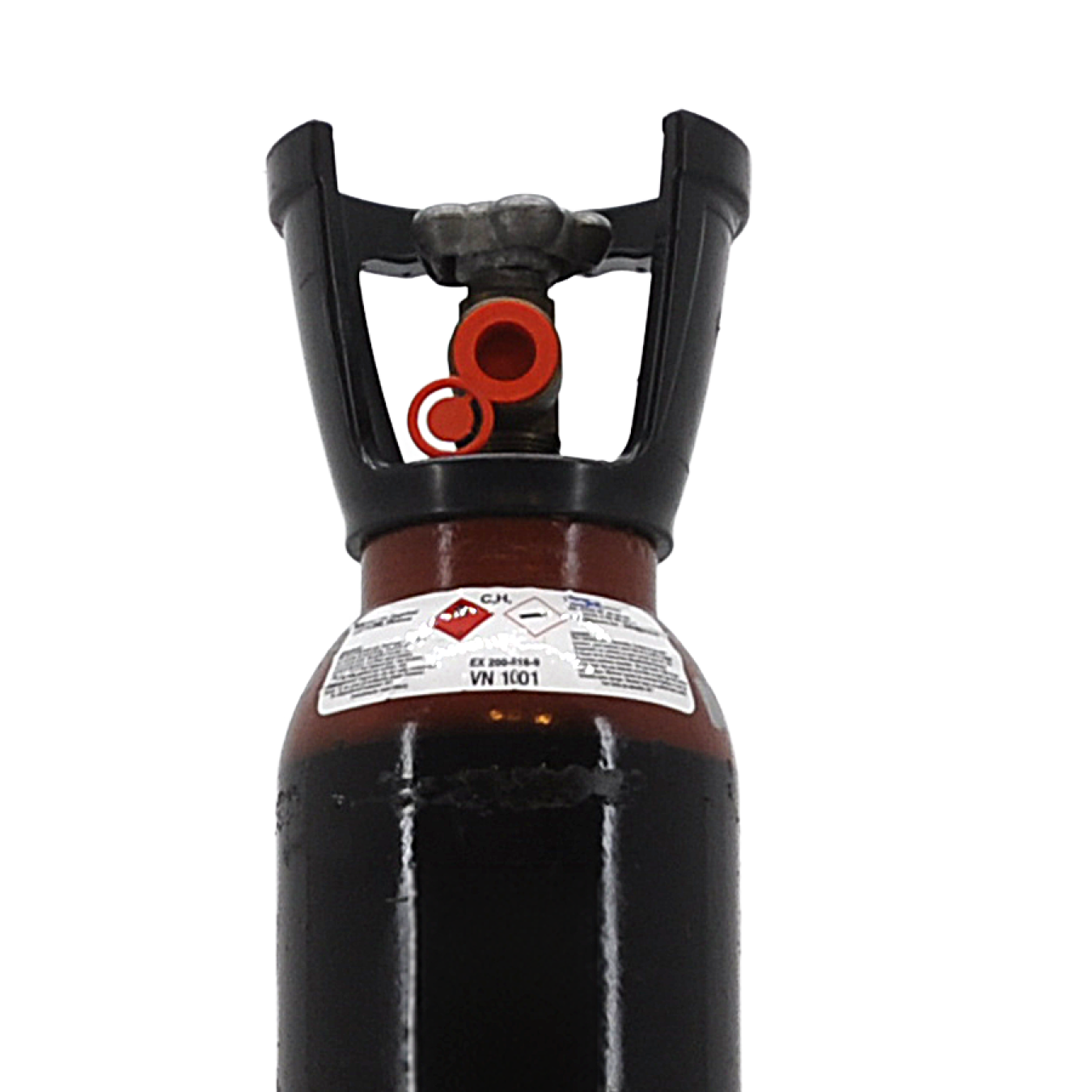
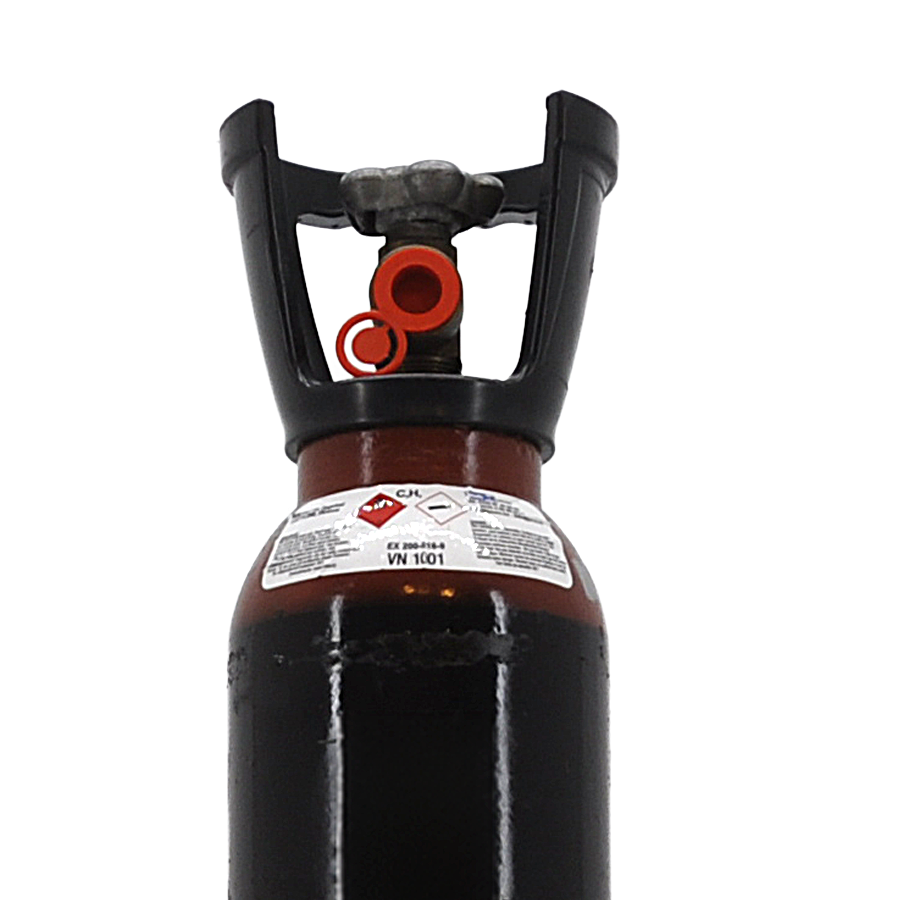
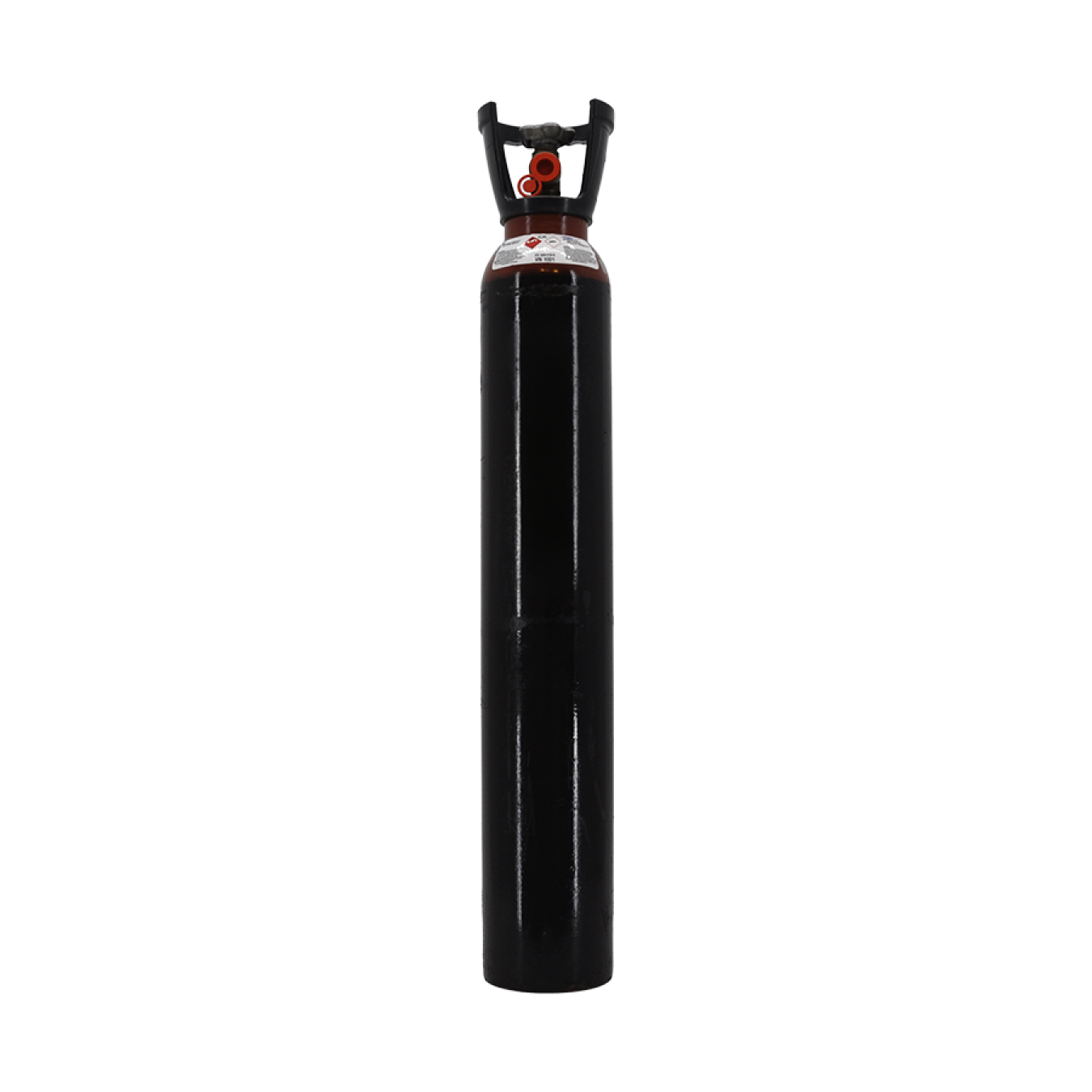
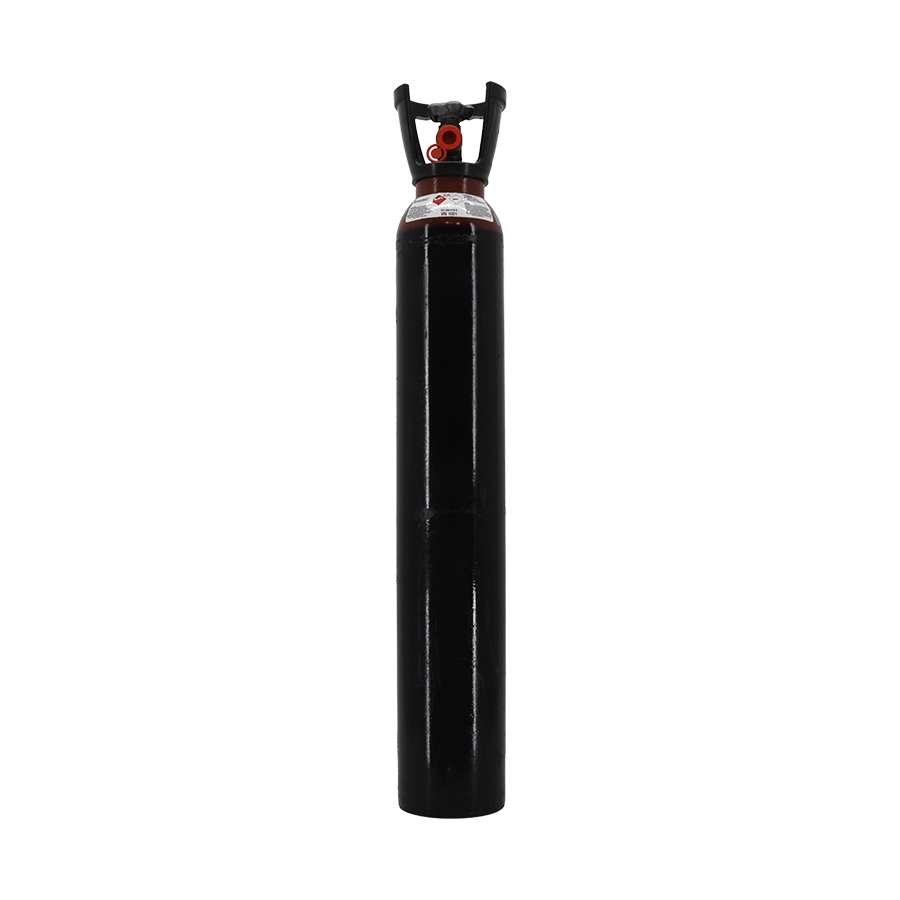
Refill Acetylene C₂H₂ - B10
- You can only order a refill if you already have an empty JANOX gas cylinder.
- Only one refill can be ordered per empty gas cylinder.
- Please send your empty gas cylinder to us (at your own expense).
- As soon as we receive the empty cylinder, we will ship your refill (full gas cylinder) immediately.
Product details
Acetylene C₂H₂ gas cylinder, filled with 10L of C₂H₂, specifically developed for metalworking (designed for long-term and professional use).
Transport
Transporting an Acetylene C₂H₂ - B10 gas cylinder falls under strict legislation for the transport of dangerous goods (ADR). Because acetylene is highly flammable and unstable if handled incorrectly, specific rules apply to both professional and private transport.
Legal exemptions for private individuals and professionals If you collect the B10 cylinder yourself in a passenger car or van, you generally fall under an exemption (the 1000-point rule or private exemption):
- Private individuals: Exempted from ADR obligations provided the load is intended for personal use (hobby/home maintenance) and the cylinder is correctly packed and secured.
- Professionals (Exemption 1.1.3.1c ADR): Transport to a construction site or workshop is exempt up to a maximum of 333 kg of acetylene (over 200 B10 cylinders), provided basic safety requirements are met.
5 Essential transport rules for the Acetylene B10
- Always transport upright Why? An acetylene cylinder contains liquid acetone in which the gas is dissolved. If the cylinder is lying flat, the porous mass can be damaged or liquid acetone can enter the valve. This increases the risk of leakage or an explosion when the valve is opened.
- Ensure mechanical securing Never leave the cylinder loose in the trunk or cargo area. Secure the cylinder firmly with tension straps against a fixed part of the vehicle so it cannot slide, roll, or tip over during an emergency stop.
- Close the valve and install the protective cap Close the cylinder valve hand-tight (do not over-tighten). Always screw the steel protective cap onto the cylinder. This cap protects the valve from breaking off if the cylinder falls unexpectedly. A broken valve turns the cylinder into a dangerous projectile.
- Maximize vehicle ventilation Preferably transport gas cylinders in an open vehicle (pickup truck) or a van with a ventilated cargo area. Must the cylinder be in a closed passenger car? Set ventilation to the highest setting (no recirculation) or leave the windows slightly open to prevent gas accumulation in case of a micro-leak. Remove the cylinder from the car immediately upon arrival; never use the car as a permanent storage place.
- Smoking ban and fire extinguisher There is a strict smoking ban in and around the vehicle during loading, unloading, and driving. For professional transport (even under the exemption), it is mandatory to have an approved 2 kg powder fire extinguisher (ABC) on board.
Information
Safety
SAFETY:
Risk:
Asphyxiating in high concentrations; narcotic. Flammability range: Highly flammable; risk of explosion. SDS Type: Compressed gas.
TRANSPORT INFORMATION:
- Official designation: Dissolved gas
- UN No.: 1001
- ADR Class: 2
- Classification code: 4 F