
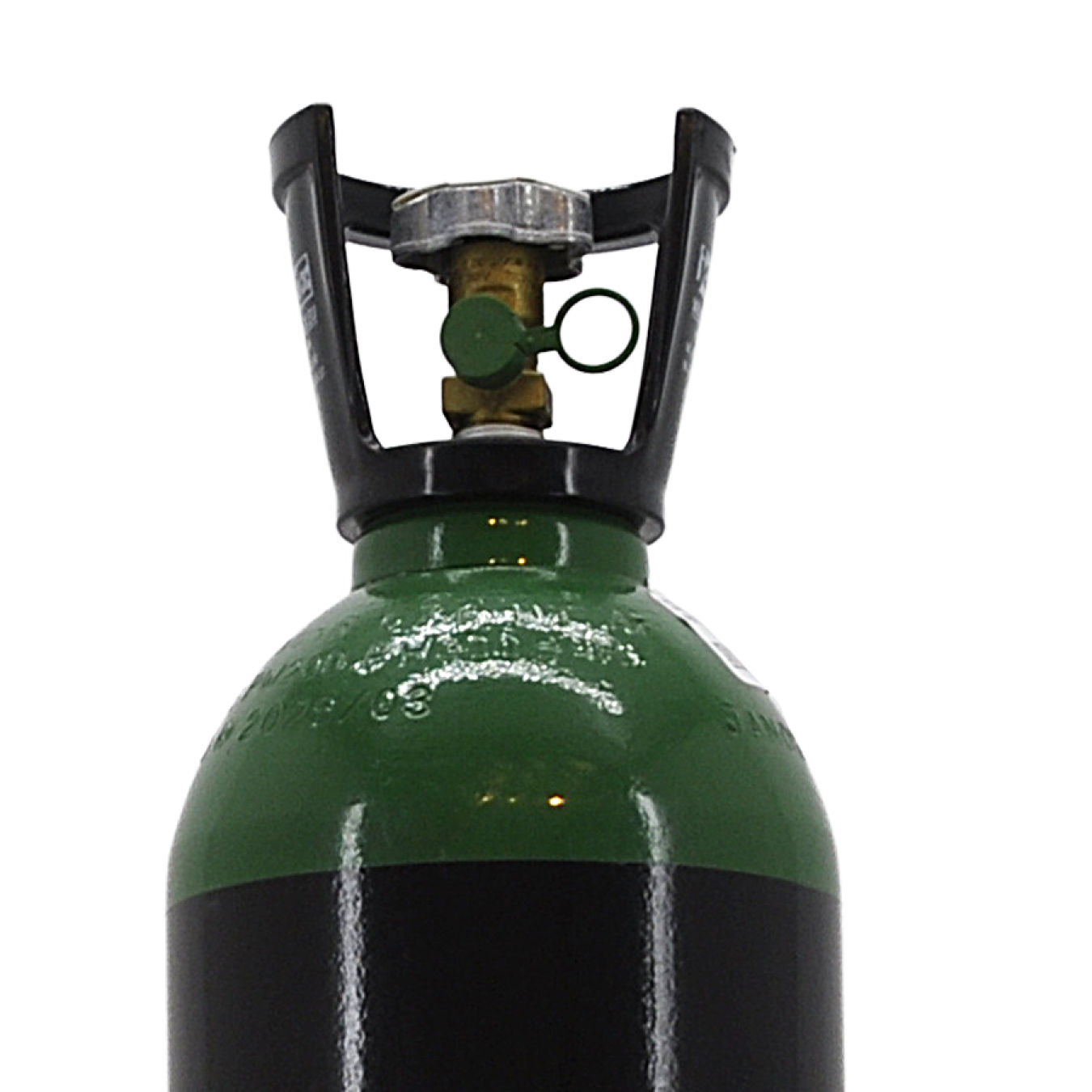
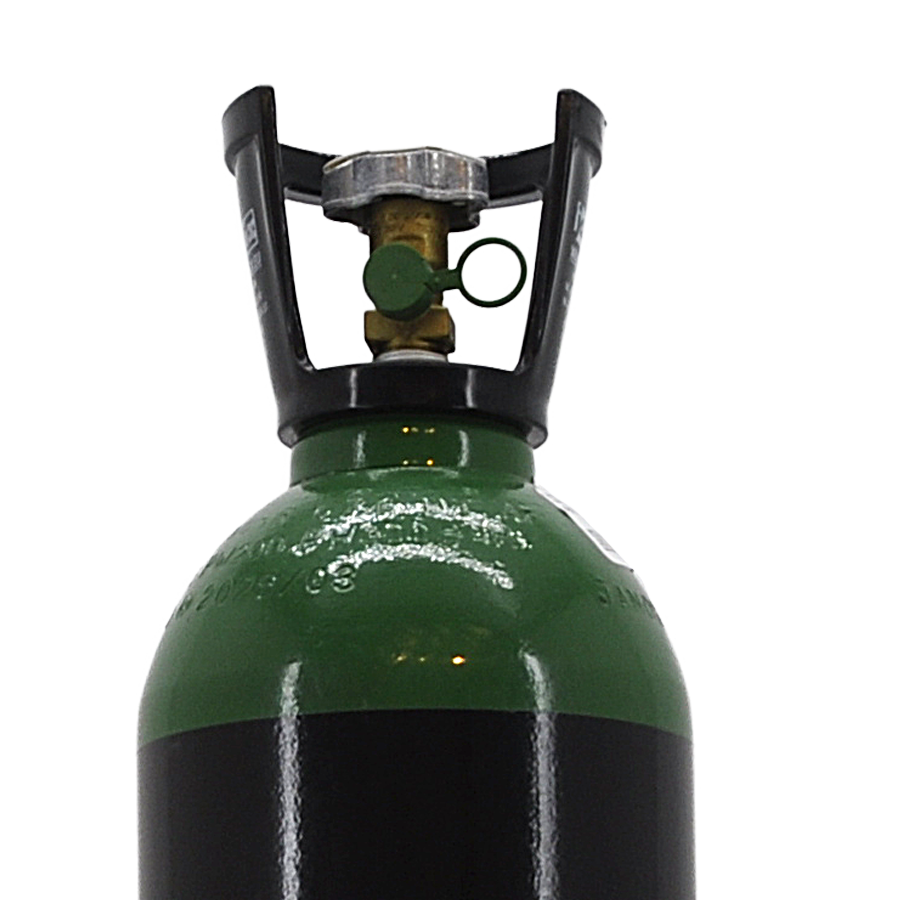
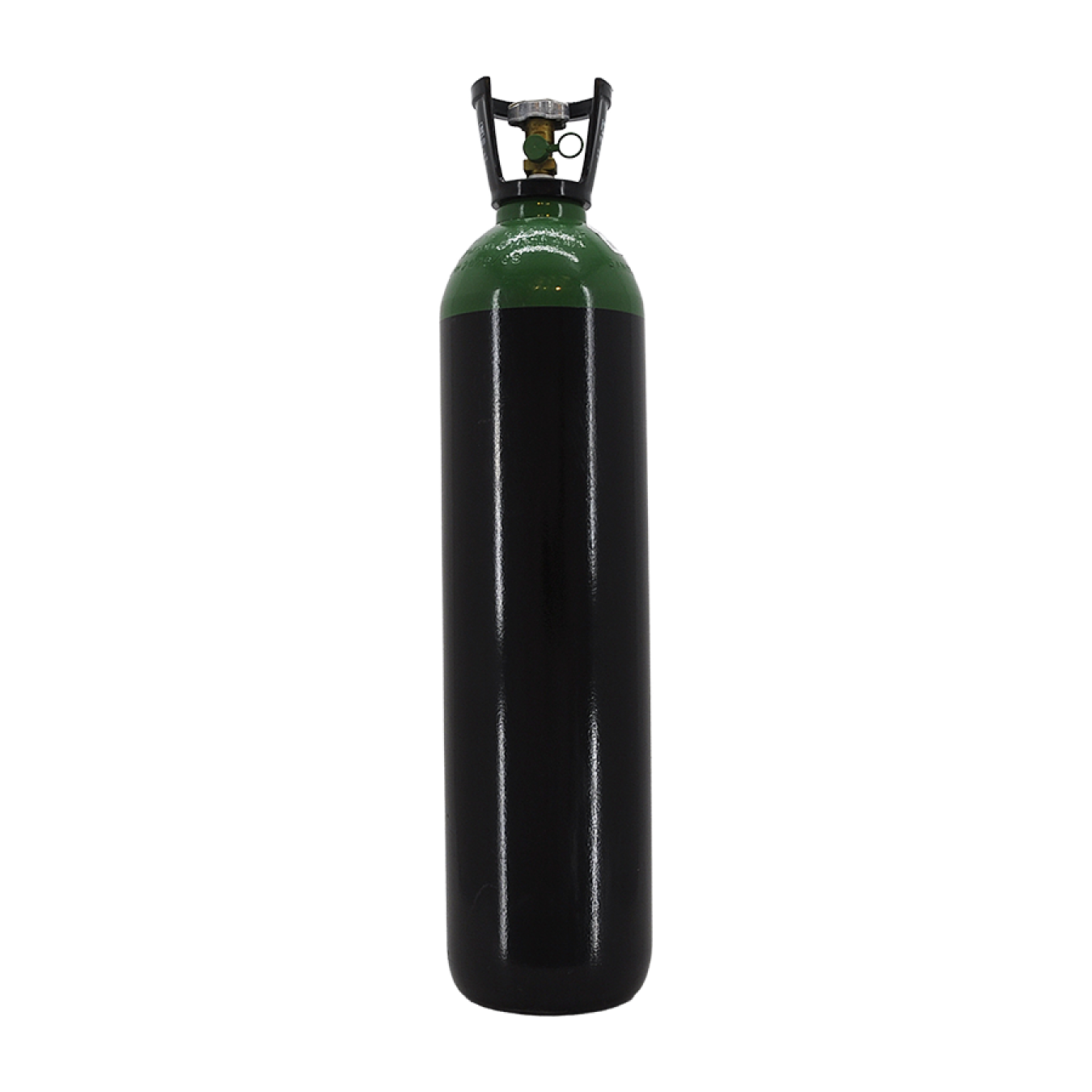
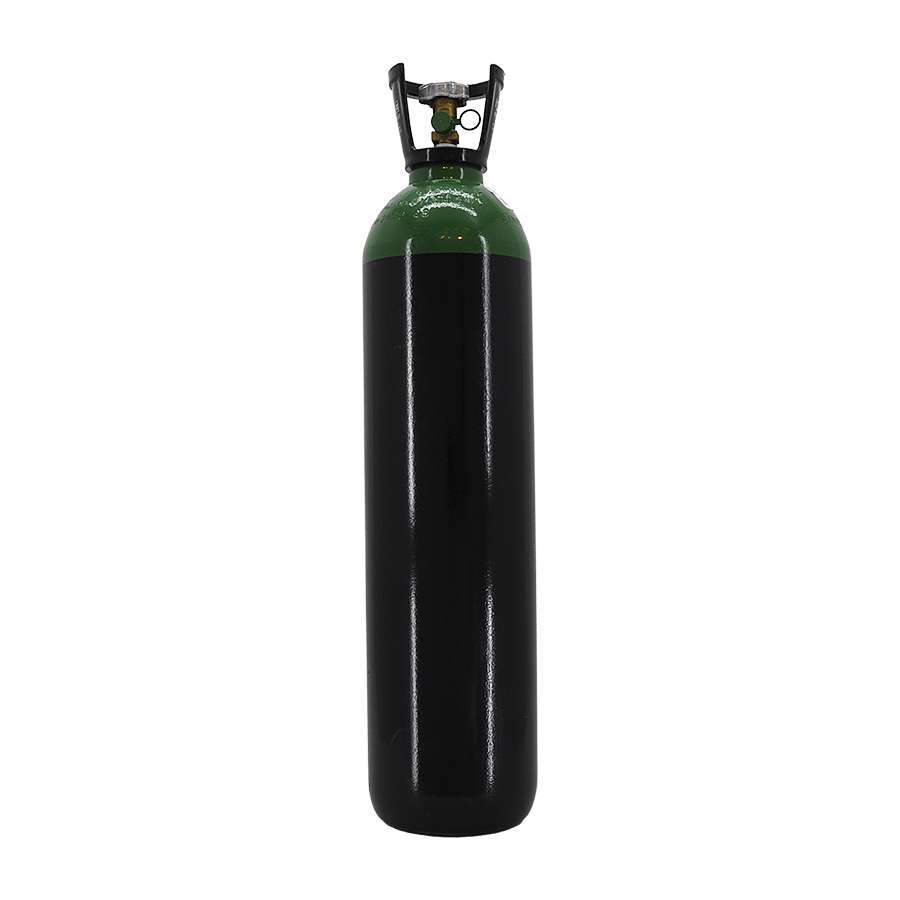
Refill Argon AR - B20
Please contact us to order
Important info!
- You can only order a refill if you already have an empty JANOX gas cylinder.
Product details
Argon AR gas cylinder, filled with 20L of AR, specially developed for inert atmospheres to prevent oxidation and as a filler for light bulbs (made for long-term and professional use).
Transport
Important transport regulations for the B20
Although you are legally exempt from heavy ADR duties (for smaller quantities), you are still required to transport the cargo safely and responsibly. Observe the following 5 rules:
- Mandatory protective cap: Always screw the steel or plastic protective cap firmly onto the cylinder before driving. If the 30 kg cylinder is launched during an emergency stop and the valve breaks off, the 200 bar pressure escapes all at once. The cylinder then turns into a dangerous projectile that can shoot through the wall of your vehicle.
- Secure against sliding and rolling (Laying flat is allowed!): Because argon is a pure compressed gas (and contains no dissolved liquid like an acetylene cylinder), an Argon B20 cylinder may be transported either upright or laid flat. If laying the cylinder flat in the cargo area or trunk, place it crosswise to the direction of travel and secure it firmly with a tension strap or clamp it in a crate so that it cannot roll or slide under any circumstances.
- Ensure maximum ventilation: Preferably transport gas cylinders in an open pickup or a van with cargo area ventilation (roof fan or floor grilles). If the cylinder must be in a closed passenger car or van without a separate cargo space, set the interior ventilation to the highest setting (turn off recirculation mode) or leave a window slightly open. If the cylinder has a micro-leak, this prevents the heavier argon gas from displacing the oxygen in the cabin.
- Legally required fire extinguisher: Are you driving commercially with this gas cylinder? Then you are legally required to have an approved 2 kg powder fire extinguisher (ABC) in the vehicle, even though argon itself is non-flammable.
- Never store permanently in the vehicle: Never use your service van or car as a permanent storage place for gas cylinders. If the vehicle is parked in full sun, the interior temperature can rise above 60°C. This causes the internal pressure in the cylinder to rise to dangerous levels, so always remove the cylinder from the car immediately after arrival.
Information
Document
Safety
- Install Cylinder Cap: Always screw the steel or plastic protective cap firmly onto the gas cylinder to protect the valve/tap in the event of a fall.
- Secure with Straps: Due to the weight of 28 to 32 kg, the cylinder must be securely anchored against a fixed wall in your service van or trailer. Because Argon is a compressed gas (and not a dissolved liquid like Acetylene), an Argon cylinder may be laid flat during transport, provided it is 100% wedged and cannot roll.
- Ventilation: Preferably transport the cylinder in a vehicle with cargo area ventilation, or with the car windows slightly open (do not use recirculation mode) to prevent oxygen deficiency in the event of a micro-leak.
- Fire Extinguisher: Are you driving commercially with this cylinder? A certified 2 kg powder extinguisher (ABC) is legally required in the vehicle.