
Helium He - B50
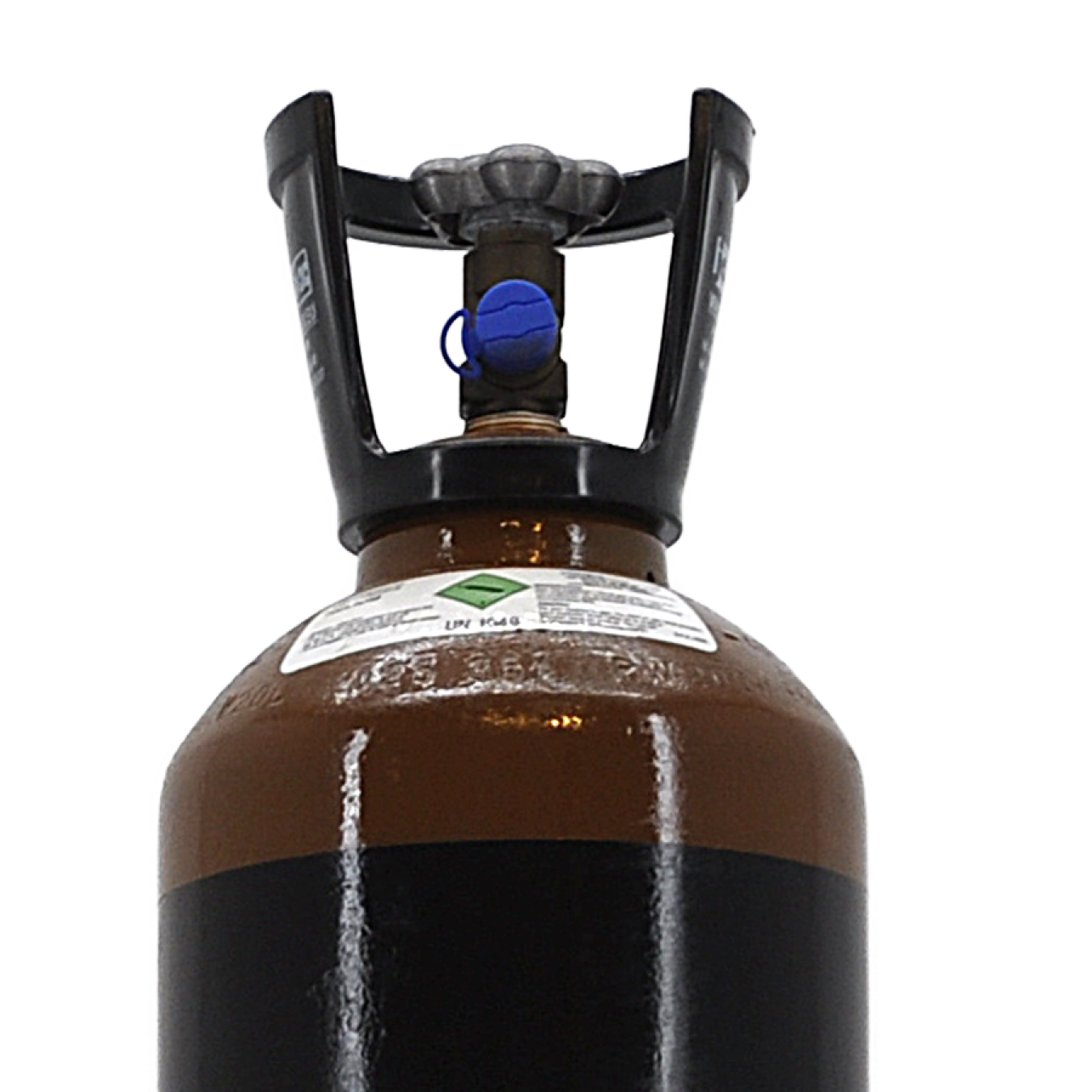
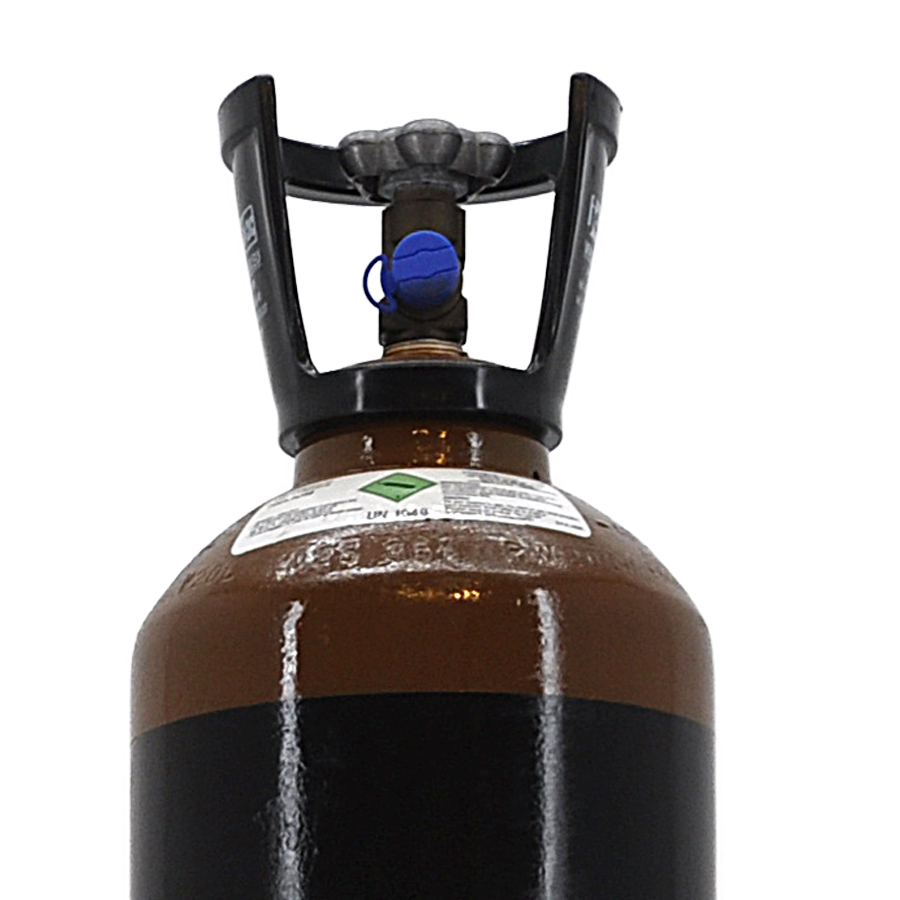
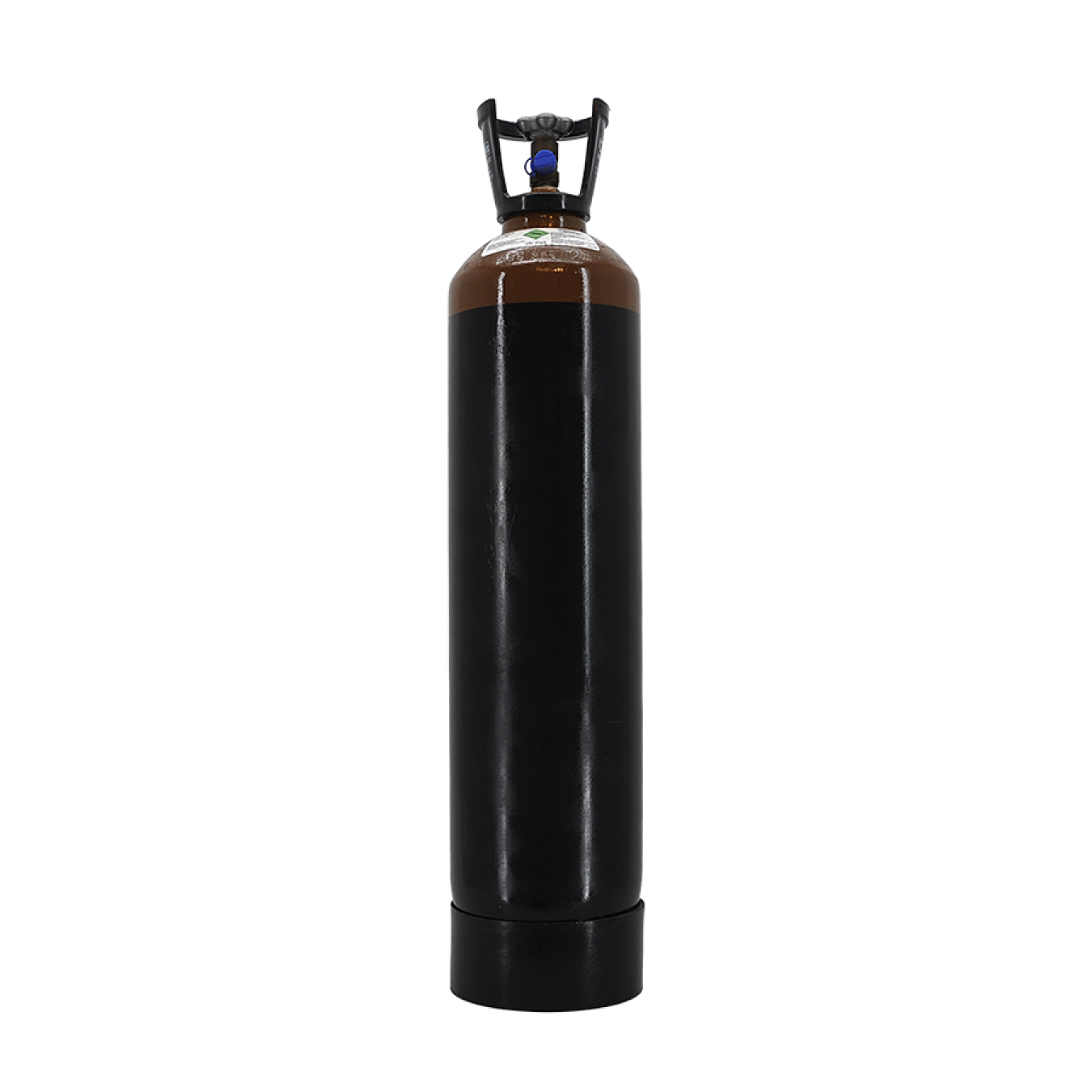
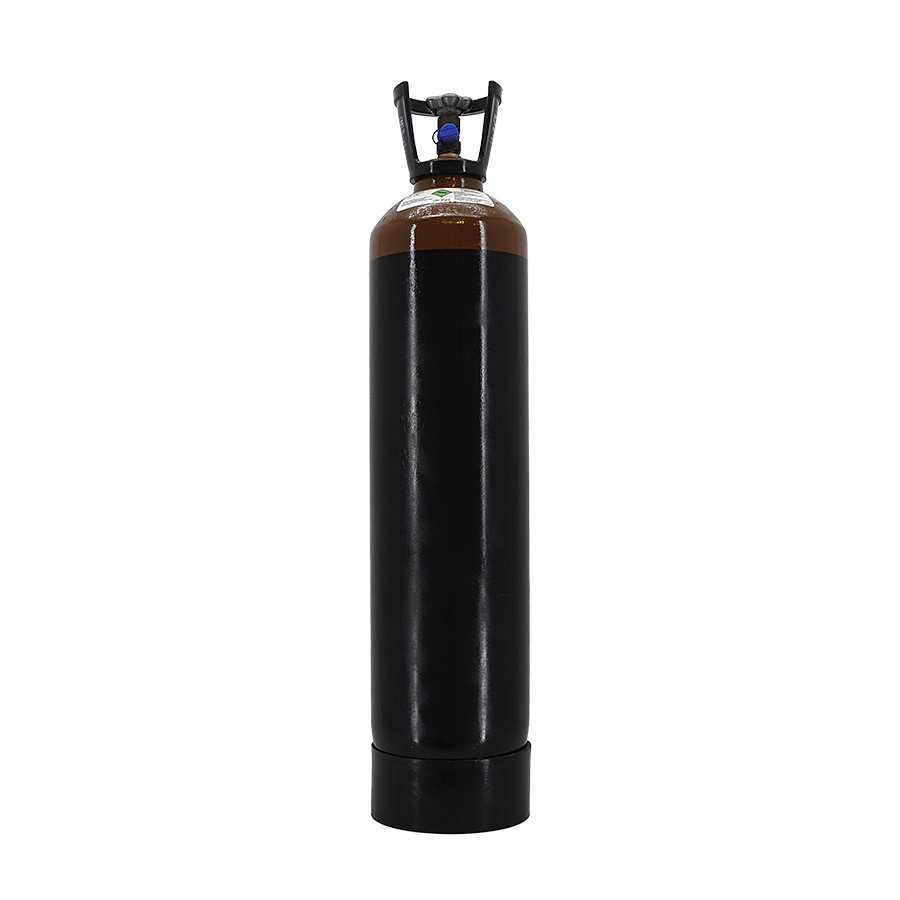
A Helium B50 gas cylinder is a large, industrial gas cylinder with a water capacity of 50 liters, filled with compressed helium gas under high pressure. As with the smaller variants, helium is an inert noble gas, meaning it is chemically stable and does not react with other materials.
Because helium is inherently safe and stable, the B50 cylinder also requires no porous mass or solvent. The gas is stored directly in the cylinder under high pressure (standard 200 bar). Due to its significant capacity, the B50 cylinder offers a very large supply of gas (approximately 10 m³), making this cylinder the standard for intensive industrial use, long-term projects, or large-scale events where a constant supply of gas is required.
Key Applications
The B50 is used wherever there is a constant demand for gas:
- Industrial Production: Used in large-scale TIG welding lines in the metal industry, where a constant supply of shielding gas is essential.
- Large-scale Events: For balloon decorators filling thousands of balloons, the B50 is the most efficient solution because it requires less frequent cylinder changes.
- Laboratories & Production: For long-term processes such as gas chromatography or as an inert shielding gas in semiconductor manufacturing.
- Cryogenic Engineering: Often used as storage for "gaseous" helium, which is subsequently converted into liquid form in specialized installations for cooling purposes (MRI scanners, particle accelerators).
Product details
Helium gas cylinder, filled with 50L of He, specifically develloped as balloon gas (built for long-term and professional use).
Transport
Crucial guidelines for the safe transport of a B50 cylinder
1. Preparation: The Basics
- Remove the pressure regulator: Never transport the cylinder with a pressure regulator or hose attached. This is the cylinder's most vulnerable point. Upon impact, the regulator can break off, making the cylinder uncontrollable.
- Protective cap: The protective cap (valve cover) must always be screwed firmly onto the cylinder. This is the only protection for the valve in the event of a fall.
- Inspection: Before departure, check that the valve is tightly closed and that no leakage is audible.
2. Transport in a Vehicle (Van) A B50 cylinder must not be loose in a cargo area.
- Vertical position: The cylinder must be transported upright in a specially designed cylinder holder/rack.
- Fixation: The cylinder must be secured with strong ratchet straps to lashing eyes anchored into the vehicle's structure. One strap on the narrow part is insufficient; preferably use a setup that fixes the cylinder at two heights (top and bottom).
- Ventilation: A van must have permanent ventilation (grilles in the floor or side walls). In the event of a leak, helium can displace the oxygen in the cabin extremely rapidly.
- Partition wall: A proper partition wall must be present between the cargo area and the driver's cabin.
3. Loading and Unloading (The greatest risks)
- Mechanical aid: Do not use human force to lift a B50 cylinder into a van. Use a tailgate lift, a ramp, or a forklift/stacker.
- Do not roll: "Rolling" a B50 cylinder (tilting the cylinder and turning it on its edge) is physically very heavy and dangerous for this size. If the cylinder loses balance, its weight cannot be caught. Always use a robust cylinder hand truck with large wheels.
- Center of gravity: When moving with a hand truck, pay attention to the high center of gravity of the B50. Never tilt the cylinder further than necessary.
4. Legal Framework (ADR) When transporting a B50 cylinder for business purposes (even if it is your own company), this falls under ADR regulations for the transport of dangerous goods:
- Fire extinguisher: The vehicle must be equipped with an approved fire extinguisher (minimum 2 kg).
- Documentation: Ensure you carry a transport document with the correct description of the load ("UN 1046, Helium, compressed, 2.2").
- Marking: In many cases, vehicle marking (such as a hazard triangle or indicator) is not required for small quantities, but the load must be correctly "secured" according to applicable legislation (VLG/ADR).
Information
Safety
Safety & Transport (Additional points of attention)
Because the B50 is significantly larger and heavier than the B10 and B20, stricter safety rules apply:
- Securing: In a workshop, a B50 cylinder must always be secured to a wall or a stable rack with two chains (one at shoulder height, one at waist height). A single chain is often insufficient to stop the weight of a falling B50 cylinder.
- Transport:
- NEVER lift manually: Never try to lift this cylinder alone. Always use mechanical aids.
- Securing in a vehicle: During transport in a van, the cylinder must stand in a designated cylinder holder and be fixed against the wall with heavy-duty ratchet straps.
- Valve cap: A B50 cylinder must under no circumstances be transported or moved without the official protective cap.
- Center of gravity: When driving a full B50 cylinder on a hand truck, be aware of the center of gravity; the cylinder is top-heavy.